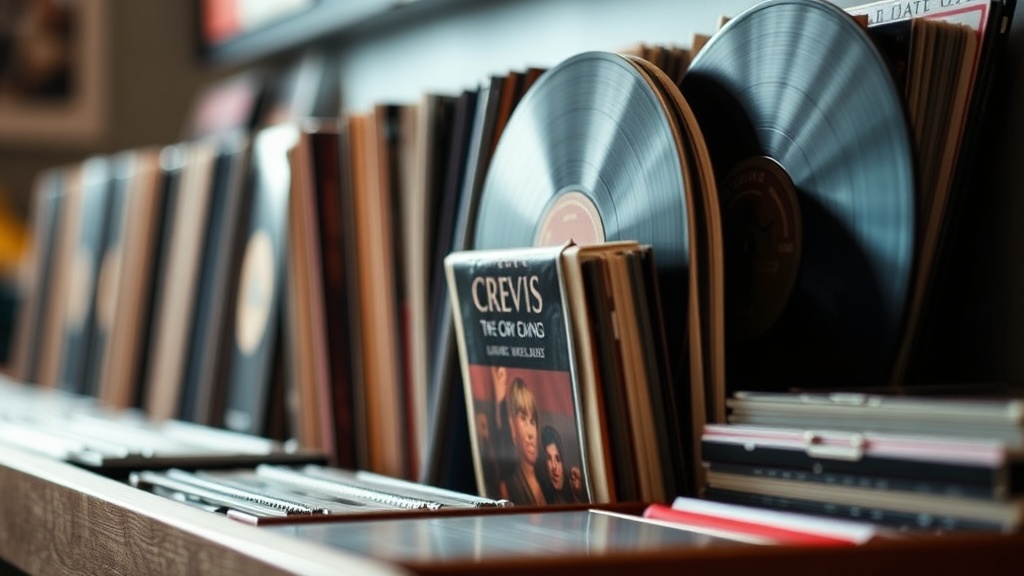
Store Vinyl Records Vertically to Prevent Warping Damage

Quick Tip
Always store vinyl records vertically like books on a shelf, never stacked flat, to prevent warping and permanent damage.
Stacking records flat damages them. The weight presses down, heat builds up, and warping follows. This post explains why vertical storage matters, what the risks are, and how to protect a collection worth hundreds—or thousands—of dollars.
Why Do Vinyl Records Warp When Stored Flat?
Gravity and pressure are the culprits. When records lie horizontally, the bottom disc bears the full weight of everything stacked above it. Over weeks or months, that sustained pressure softens the vinyl—especially in warm rooms—and the record develops a bowl shape. Once warped, playback suffers. Skips happen. The stylus jumps. Your collection loses value.
Here's the thing: vinyl isn't as rigid as it looks. Heat makes it pliable. Even moderate room temperatures (think 75°F and above) combined with downward pressure creates a slow-motion disaster. The catch? Most collectors don't notice until it's too late. By the time the warp is visible, the damage is done.
Storing vertically distributes weight evenly across the record's edge. No single point bears the load. The record stays flat, the grooves stay true, and your playback remains clean.
What's the Best Way to Store Vinyl Records Vertically?
Use dedicated shelving or crates that support records upright without cramming them together. IKEA's Kallax shelving units have become the standard—each cube holds 50-60 records standing vertically. For smaller collections, Urban Outfitters and independent makers on Etsy sell wooden crates designed specifically for 12-inch vinyl.
Space matters. Records packed too tight become difficult to remove. You'll end up wrestling with sleeves, bending corners, or causing ring wear. Records stored too loose lean and slump, which creates its own pressure points. Aim for snug—not tight, not loose.
Inner sleeves should be high-quality polyethylene or rice paper. Avoid cheap PVC sleeves; they chemically react with vinyl over time. Outer sleeves protect the jacket art. Both help when sliding records in and out of tight spaces.
How Hot Is Too Hot for Vinyl Storage?
Anything above 85°F risks damage. Ideal storage sits between 65°F and 70°F with humidity around 40-50%. Basements flood. Attics roast. Garages swing between both extremes. A climate-controlled living space wins every time.
Direct sunlight kills records fast. Don't store collections near windows where afternoon heat builds. That "perfect spot" on the shelf by the south-facing window? Avoid it. Heat warps. Light fades covers. Both hurt resale value.
| Storage Method | Warp Risk | Best For |
|---|---|---|
| Vertical shelving (Kallax, etc.) | Very Low | Collections of 50+ records |
| Wooden crates | Low | Small collections, portability |
| Horizontal stacking (flat) | High | Never recommended |
| Leaning against walls | Moderate | Temporary only—hours, not days |
The Recording Industry Association of America reports vinyl sales hitting multi-decade highs. More collectors mean more opportunities for mistakes. Don't let poor storage destroy records that took years to find. Stand them up. Keep them cool. Handle the edges.
Your future self—and your stylus—will thank you.