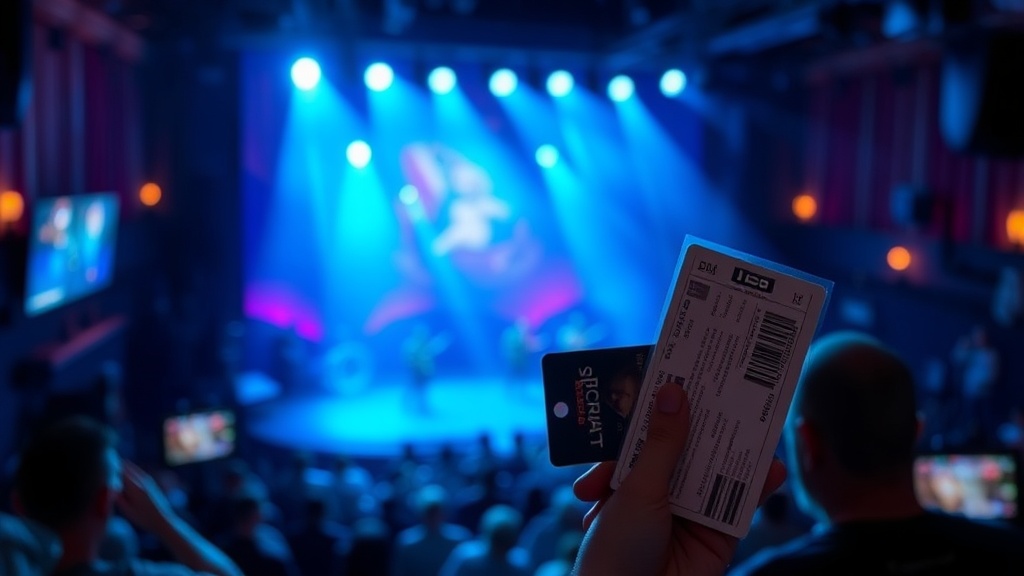
How to Start Collecting Backstage Passes: A Beginner's Guide

What Are the Different Types of Backstage Passes?
Backstage passes fall into several distinct categories, each with its own level of rarity, design appeal, and collector value. Understanding these differences helps you build a focused collection instead of buying random items that don't fit a theme. The most common types include all-access laminates, photo passes, working credentials, VIP badges, and local crew stickers. Some collectors chase specific eras—think the oversized laminated passes of the 1980s hair metal scene—while others prefer the sleek, RFID-enabled credentials used on modern arena tours.
All-access laminates are the crown jewels for many collectors. These passes—typically worn on lanyards by managers, family members, and top-tier guests—grant entry to every area of a venue. Because fewer are printed, they're harder to find. Photo passes, on the other hand, are more common but still desirable, especially when tied to iconic tours. Working passes (road crew, lighting, sound) often feature utilitarian designs but tell gritty, behind-the-scenes stories. VIP badges from packages sold through Ticketmaster or AXS are the easiest to acquire—fans buy them, keep them, and resell them later. Here's the thing: a VIP pass from a Taylor Swift Eras Tour date will likely never match the scarcity of a 1975 Led Zeppelin crew badge, but both have legitimate places in a collection.
How Much Does It Cost to Start a Backstage Pass Collection?
You can start collecting backstage passes for under fifty dollars, though serious collectors regularly spend hundreds—or even thousands—on rare pieces. A mass-produced VIP pass from a recent arena show might cost $10 to $25 on eBay. A vintage all-access laminate from a classic rock tour can easily command $200 to $800. Autographed passes, prototype designs, or credentials from historically significant concerts (Live Aid, Woodstock '99, final tours of legendary bands) push prices into four-figure territory.
The catch? Condition matters enormously. A laminate with a cracked edge, faded ink, or a torn lanyard hole drops in value fast. Serious buyers treat these items like trading cards or concert posters—they want crisp corners, vivid colors, and intact holographic seals. If you're budget-conscious, start with modern tours. Browse Etsy shops like Rockabilia or independent eBay sellers who specialize in music memorabilia. You'll find passes from artists like Metallica, Beyoncé, and Foo Fighters at accessible prices. That said, always verify authenticity. The market is flooded with reproductions—especially for bands like Pink Floyd, Nirvana, and The Beatles. Ask for provenance. A legitimate seller should explain where the pass came from (a former roadie, a venue employee, a fan who bought a VIP bundle).
Where Can You Buy Authentic Backstage Passes?
Authentic backstage passes surface through online marketplaces, specialty memorabilia dealers, record store collectible bins, and direct trades within collector communities. eBay remains the largest marketplace, but it's also the riskiest—photos can hide flaws, and sellers occasionally list reprints without clear disclosure. Etsy offers a more curated experience from smaller vendors, though prices tend to run higher. For high-end vintage pieces, established dealers like Rockabilia or auction houses such as Julien's Auctions provide certificates of authenticity and detailed condition reports.
Don't overlook physical spaces. Record stores like Amoeba Music in Los Angeles or Rough Trade in Brooklyn sometimes stock local memorabilia. Flea markets in cities with rich music histories—Nashville, Austin, Portland—can yield unexpected treasures. (A crate digger's mentality pays off here.) Facebook groups and Reddit communities—r/MusicMemorabilia, for example—are excellent for trades. Seasoned collectors often prefer swapping duplicates over cash transactions. The community is tight-knit, and reputation matters. Scam once, and you'll find doors closed across multiple platforms.
Storage and Display Options
Once you own a few passes, protecting them becomes important. Laminates should stay flat, dry, and out of direct sunlight—UV rays bleach colors faster than you'd expect. Basic options include 3-ring binder pages with pocket sleeves (the same kind comic book collectors use). For a more polished look, consider shadow boxes from Michaels or custom framing through a local shop. Acid-free backing and UV-protective glass are worth the extra cost if you're displaying rare items.
Some collectors prefer binder albums from brands like Ultra-PRO, which make it easy to reorganize a growing collection. Others mount passes on cork boards or pegboards arranged by genre, decade, or artist. There's no single right way—just avoid taping passes directly to walls or using rubber bands that degrade plastic over time.
What Should Beginners Know About Grading and Condition?
Backstage pass grading isn't as standardized as comic books or sports cards, but most sellers use a loose scale: mint, near mint, excellent, very good, and good. Mint means no visible flaws—no scratches, creases, or fading. Near mint allows minor imperfections, maybe a slight corner ding. Anything below very good usually carries significant wear, and values drop accordingly. Always request high-resolution photos before buying an expensive piece. Zoom in on holograms, check for bubbling under laminate film, and inspect lanyard holes for tears.
Worth noting: not all wear is bad. A crew pass with beer stains and Sharpie autographs from band members tells a story. Some collectors specifically seek "tour-worn" credentials over pristine shelf pieces. The key is knowing what you're buying. A beat-up pass sold as mint is a problem. A beat-up pass sold honestly as "tour-used" can be a conversation starter.
Popular Starting Points by Genre
New collectors often build around a genre or era. It keeps the hunt focused—and your display coherent. Here are common entry points:
- Classic Rock: Led Zeppelin, The Rolling Stones, Queen. High prices, but strong resale value.
- 1980s Metal: Mötley Crüe, Guns N' Roses, Bon Jovi. Oversized laminates with wild graphics.
- 1990s Alternative: Nirvana, Pearl Jam, Radiohead. Grunge aesthetics, often minimalist designs.
- Modern Pop: Taylor Swift, Beyoncé, Billie Eilish. Easier to find, lower cost barriers.
- Country: Johnny Cash, Dolly Parton, Garth Brooks. Strong regional demand in the American South and Midwest.
Sticking to one niche at first prevents overwhelm. You can always branch out later.
Comparison: Buying vs. Trading vs. Finding Passes Yourself
| Method | Cost | Authenticity Risk | Best For |
|---|---|---|---|
| Buying online (eBay, Etsy) | $10–$1,000+ | Moderate to high | Convenience, specific targets |
| Trading in collector communities | Free (swap only) | Low | Building relationships, filling gaps |
| Finding in person (flea markets, record stores) | $5–$200 | Low to moderate | Bargain hunters, local scene enthusiasts |
| Attending concerts (VIP packages, contests) | Concert ticket price | None | Modern collectors, personal souvenirs |
How Do You Avoid Scams and Reproductions?
Reproduction backstage passes are everywhere. The most commonly faked items come from bands with massive global followings—The Beatles, Pink Floyd, Nirvana, and any artist with a cult-like collector base. Fake passes often use modern printing techniques on older-style laminates, or they replicate designs from well-known tours with slight color shifts. One red flag is a "rare" pass sold at a surprisingly low price with a vague description like "found in attic." Another is a seller with no feedback, no return policy, and no provenance.
To protect yourself, study known authentic examples. The Rock & Roll Hall of Fame archives tour memorabilia, including passes from landmark tours, and their online collection offers reference images. Join collector forums where members post side-by-side comparisons of real and fake items. Ask questions. If a seller becomes defensive or evasive, walk away. Here's the thing: the best deals often go to patient buyers who wait for the right piece from the right source.
Building Community Connections
Collecting backstage passes isn't just about accumulating objects—it's about connecting with music history and the people who lived it. Following venue staff, former tour managers, and photographers on Instagram or LinkedIn can lead to unexpected opportunities. Some veterans sell pieces directly to fans rather than through dealers. Local music museums—like the Country Music Hall of Fame and Museum in Nashville or the Experience Music Project in Seattle—occasionally host memorabilia events where collectors meet and trade.
Portland, where Jin Reid runs Backstage Passes, has a thriving community of vinyl collectors and music historians. The city's record store culture and live venue scene make it an ideal place to start this hobby. Whether you're hunting for a Grateful Dead crew badge from the 1970s or a modern Billie Eilish VIP laminate, the principles stay the same: research first, buy smart, protect your pieces, and share stories with fellow collectors.
"Every pass is a ticket to a moment that most people only hear about secondhand. The best collections aren't the biggest—they're the ones with meaning behind every laminate."
Start small. Pick a band, a genre, or a decade that resonates with you. Learn the visual language of tour credentials—holograms, typography, color coding for access levels. Talk to other collectors. Before long, you'll recognize a genuine 1987 Mötley Crüe all-access pass at twenty paces. The hobby rewards curiosity, patience, and a healthy skepticism of anything that seems too good to be true. Happy hunting.