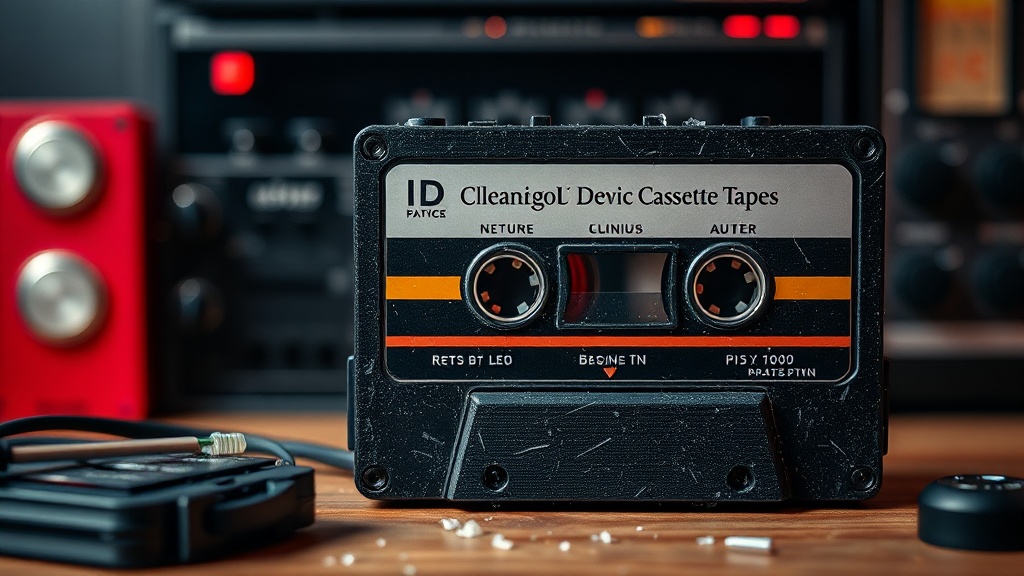
Cleaning Your Vintage Cassette Tapes Safely

Quick Tip
Always use high-percentage isopropyl alcohol and specialized cleaning tools to avoid damaging magnetic tape.
This post explains how to clean the exterior and interior components of vintage cassette tapes to ensure reliable playback and prevent mechanical failure. Maintaining these magnetic tapes requires a delicate touch to avoid ruining the delicate oxide layer.
How do I clean the outside of a cassette tape?
You should use a lint-free cloth and a tiny amount of high-percentage isopropyl alcohol to wipe the shell. Most vintage shells are made of hard plastic, so you don't need to worry much about the casing itself. Just avoid getting any liquid into the reel holes or the internal mechanism.
A quick wipe of the edges helps remove decades of dust that might otherwise get caught in your tape deck's capstan. If the shell is particularly grimy, a damp (not dripping) cloth works fine. Just don't overdo it—excess moisture is the enemy of magnetic tape.
Can I clean the magnetic tape itself?
You should generally avoid touching or cleaning the actual magnetic tape unless you are dealing with a specific mechanical issue. If the tape has "sticky shed syndrome," you'll need more advanced methods than a simple wipe-down. For most collectors, a standard cleaning involves focusing on the playback device rather than the tape itself.
If you notice the tape is sticking or making a "tugging" sound, the issue might be the playback head in your deck. It's much safer to clean the tape head and the capstan with a specialized tool or a magnetic tape cleaning kit rather than scrubbing the actual ribbon.
- Step 1: Inspect the tape for visible mold or white residue.
- Step 2: If the tape is physically damaged, stop immediately.
- Step 3: Clean the cassette deck's playback head using a cotton swab dipped in 90% isopropyl alcohol.
- Step 4: Wipe the rubber pinch roller with a small amount of alcohol to remove oxide buildup.
What tools do I need for cassette maintenance?
The right tools make the difference between a successful playback and a ruined collection. You don't need a laboratory, but you do need specific, non-abrasive materials.
| Tool Type | Recommended Item | Purpose |
|---|---|---|
| Cleaning Agent | 90%+ Isopropyl Alcohol | Removing oils and residue |
| Applicator | Cotton Swabs (Q-tips) | Reaching the tape head |
| Wiper | Microfiber Cloth | Cleaning the outer shell |
If you've spent time learning how to properly store vinyl records, you already know that prevention is better than a cure. Keep your tapes in a cool, dry place to prevent the magnetic particles from degrading.
One thing to watch out for is the age of the tape. Older formulations from the 70s and 80s can be much more temperamental than modern TDK or Maxell high-bias tapes. If a tape feels "gummy," it might be past the point of a simple cleaning.