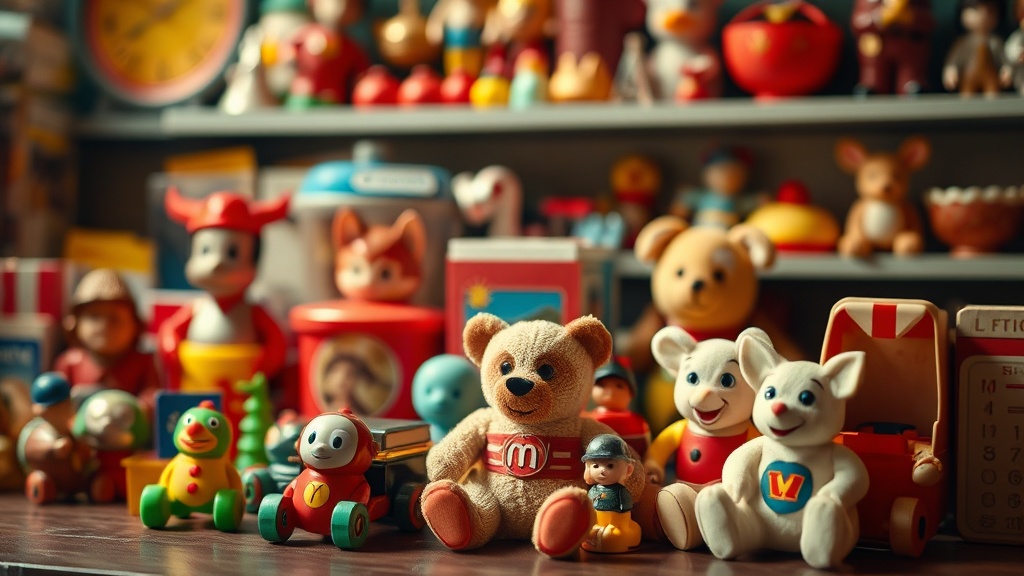
Beyond the Box: Preserving and Showcasing Your Vintage Happy Meal Toy Collection

Beyond the Box: Preserving and Showcasing Your Vintage Happy Meal Toy Collection
Collecting vintage Happy Meal toys offers a delightful journey into pop culture history, but keeping these small plastic treasures in top condition requires some specific knowledge. This guide will walk you through the best practices for cleaning, storing, and displaying your cherished collection, ensuring they remain vibrant and intact for years to come. You'll learn how to approach delicate plastics, identify suitable storage solutions, and create eye-catching displays that protect your investment without compromising their charm.
How Can I Safely Clean My Vintage Happy Meal Toys?
Before any serious display or storage, a proper clean is often in order, especially for toys that have been stored in attics or passed through many hands. It’s tempting to grab the nearest all-purpose cleaner, but that’s a quick path to damaging delicate plastics and painted details. These aren't modern, indestructible toys—they're vintage, sometimes made with less resilient materials that can react poorly to harsh chemicals.
Your primary cleaning agent should be plain, distilled water. Why distilled? Tap water, particularly in older homes or hard water areas, can leave mineral deposits that, over time, might affect the toy’s surface or even encourage mildew growth if not dried properly. For toys with minimal dust and grime, a soft, lint-free cloth dampened with distilled water is usually sufficient. Gently wipe down the surfaces, paying attention to crevices where dust tends to settle.
For more stubborn dirt, a very mild, non-abrasive soap is your next step. Think gentle dish soap—the kind you’d use for baby bottles—or a specialized plastic cleaner designed for collectibles. Mix a tiny drop with distilled water to create a sudsy solution. Dip a soft-bristled brush, like a new, unused toothbrush, or a cotton swab into the solution. Work in small sections, applying minimal pressure. Avoid scrubbing vigorously, as this can wear away painted details or scratch the plastic. After cleaning, rinse the toy thoroughly with distilled water to remove any soap residue. Residue can attract dust or become sticky over time, defeating the purpose of your cleaning efforts. Finally, allow the toy to air dry completely on a clean towel, or gently pat it dry with another lint-free cloth. Ensure every nook and cranny is dry before moving on to storage or display, as trapped moisture is an invitation for mold and mildew—a collector's nightmare. For more insights on plastic preservation,